





Networked AI Agents in a Decentralized Architecture
Project NANDA is an open initiative for building infrastructure for the Internet of AI Agents.
Core Problem: Project NANDA is focusing on how billions of AI agents can discover each other, verify capabilities, and coordinate tasks without creating bottlenecks or security vulnerabilities.
Latest Updates
Co-located with IEEE TPS 2026 in San Jose, CA. Organized by Project NANDA & MIT Media Lab, focusing on sandboxes, zero-trust security, privacy, and evaluation for decentralized agent networks with proceedings in IEEE Xplore.
Hosted by MIT Media Lab & HCLTech. Building services that autonomous AI agents can discover and use independently; competing online with an in-person finale at MIT.
An open-source testnet and sandbox built around NEST for designing and running multi-agent experiments, verifying protocol choices, and capturing JSON interaction traces.
As AI agents move from answering questions to executing autonomous actions, data provenance is essential. DataFacts documents dataset availability, freshness, authenticity, and access permissions — turning the Agentic Web into a verifiable data-to-decision ecosystem.
A civic pilot for sovereign AI agents — empowering residents with personal agents that navigate municipal services while keeping their personal data confidential and under their control.
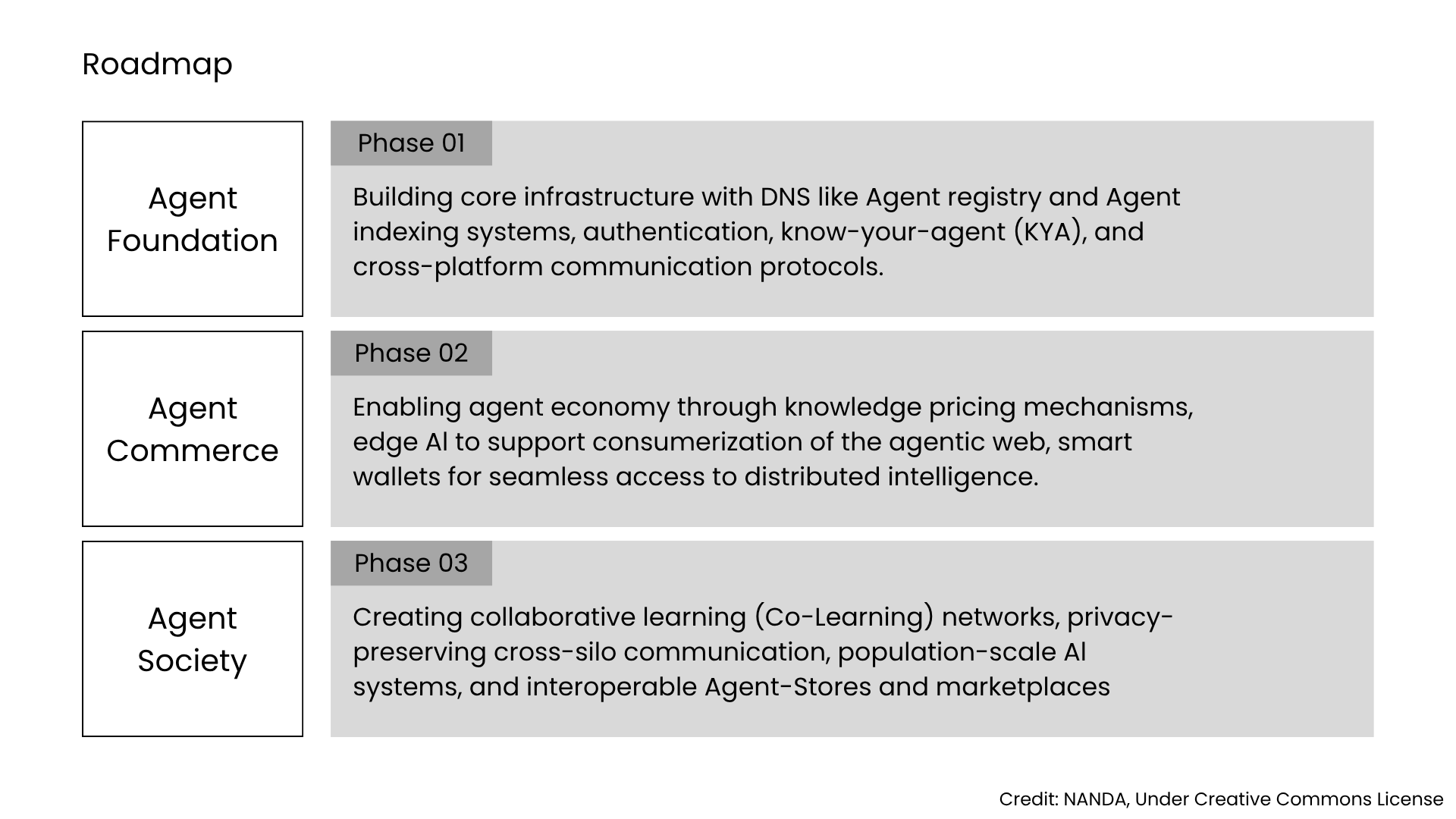
Development Roadmap
Project NANDA’s roadmap describes the development of an Internet of AI Agents across three core architectural phases:
About Project NANDA
Project NANDA (Networked AI Agents in Decentralized Architecture) originated at MIT and aims to dismantle the four critical choke points within this ecosystem's infrastructure by focusing on consensus-driven innovation:
We are pioneering the foundational infrastructure for the Internet of AI Agents – enabling autonomous systems to interact, transact, and collaborate seamlessly.
What Project NANDA includes
- NANDA Index ↗ A federated, multi-operator directory of pointers from identity to authoritative source. Think of it as a quilt of independently run indexes, not one central database.
- AgentFacts ↗ A signed capability record for each agent: what it does, how to reach it, and whether it's still valid.
- NANDA Adapter ↗ An open-source bridge that brings an existing agent — built with frameworks like LangChain or CrewAI, or custom logic — onto the network and makes it discoverable.
- NEST (NANDA Exchange Sandbox & Testnet) ↗ An engine and command-line interface for building, testing, and replaying multi-agent scenarios. It is a test and integration environment, not the universal runtime required to invoke an agent on the open web.
- Nanda Town ↗ An open-source sandbox built around NEST for designing and running multi-agent experiments. A scenario defines agents, roles, rules, failures, protocol-layer choices, and metrics in YAML; Nanda Town runs it and records interaction traces as JSON for inspection or replay.
Our Three-Pronged Approach
Building open discovery technology, interoperability standards, and reference implementations through a collective of top minds across academia and industry.
Working to maintain an open, neutral Agentic Web for independent innovators while ensuring robust safety, transparency, and data sovereignty.
Fostering a wide coalition of founders, academic labs, and investors building autonomous agents, tooling, and decentralized services.
Built on Proven MIT Research: Drawing on breakthroughs in AutoML, split learning, privacy-preserving architectures, and decentralized multi-agent coordination. Coalition partners gain early access to emerging standards, reference implementations, and collaborative working groups.
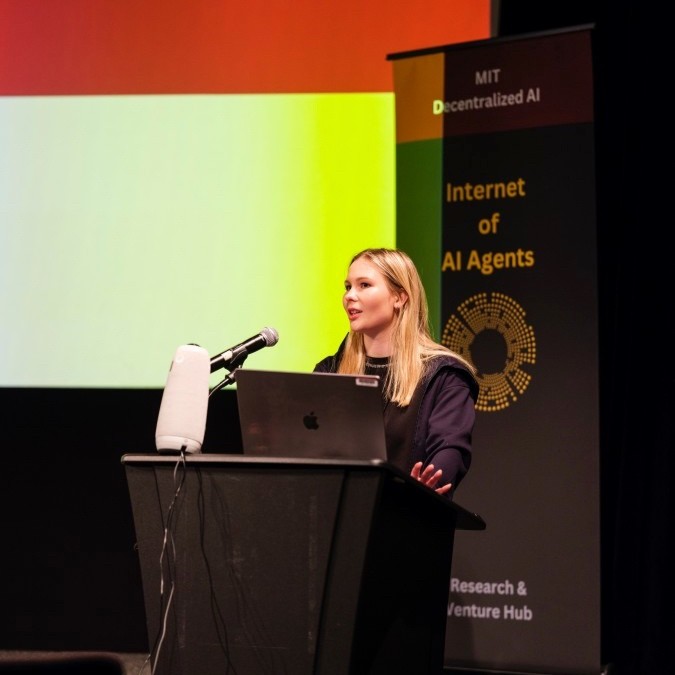
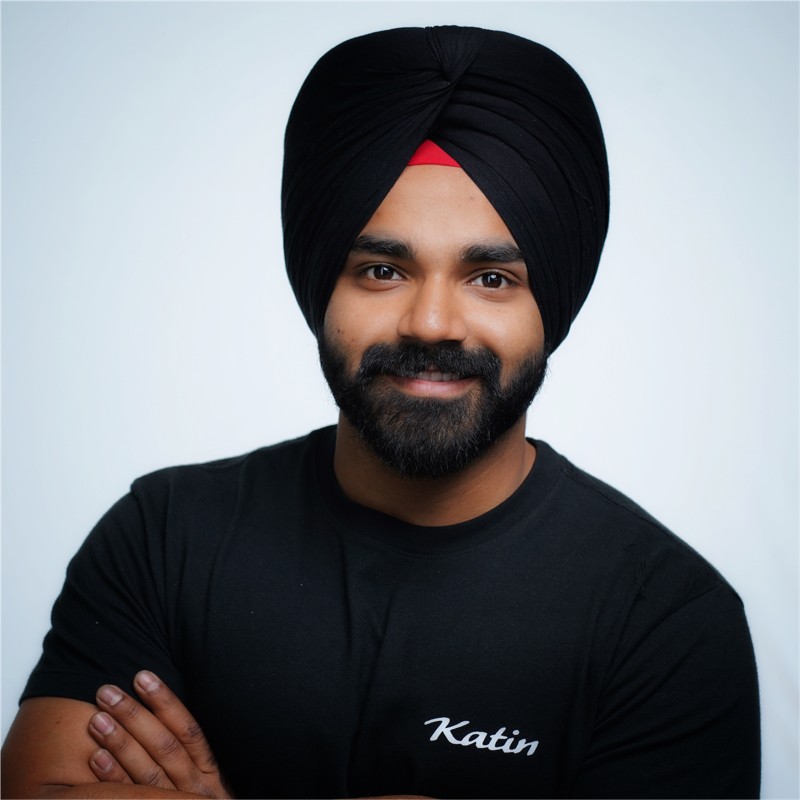
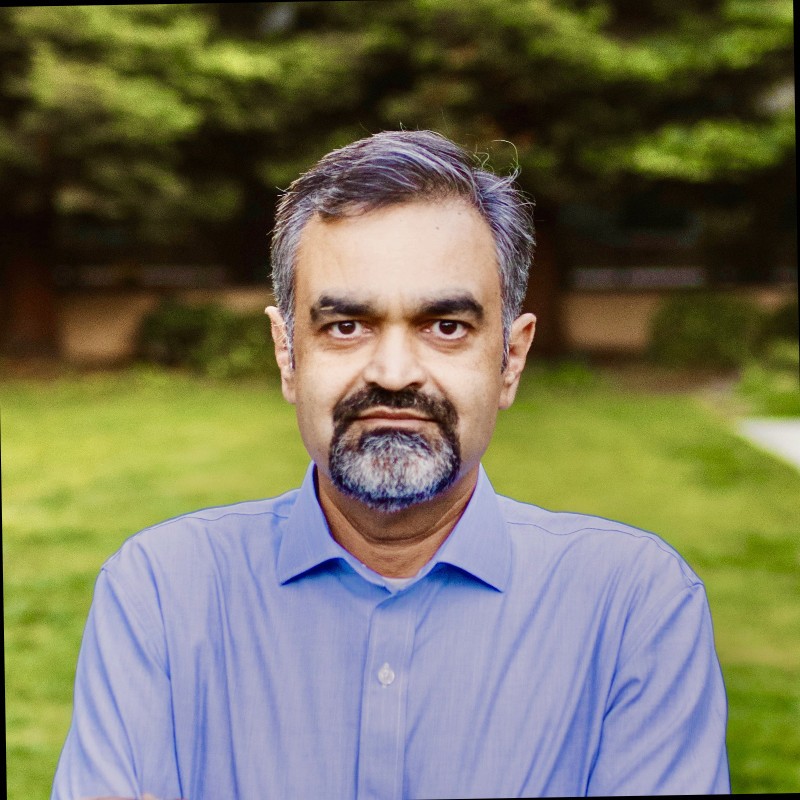
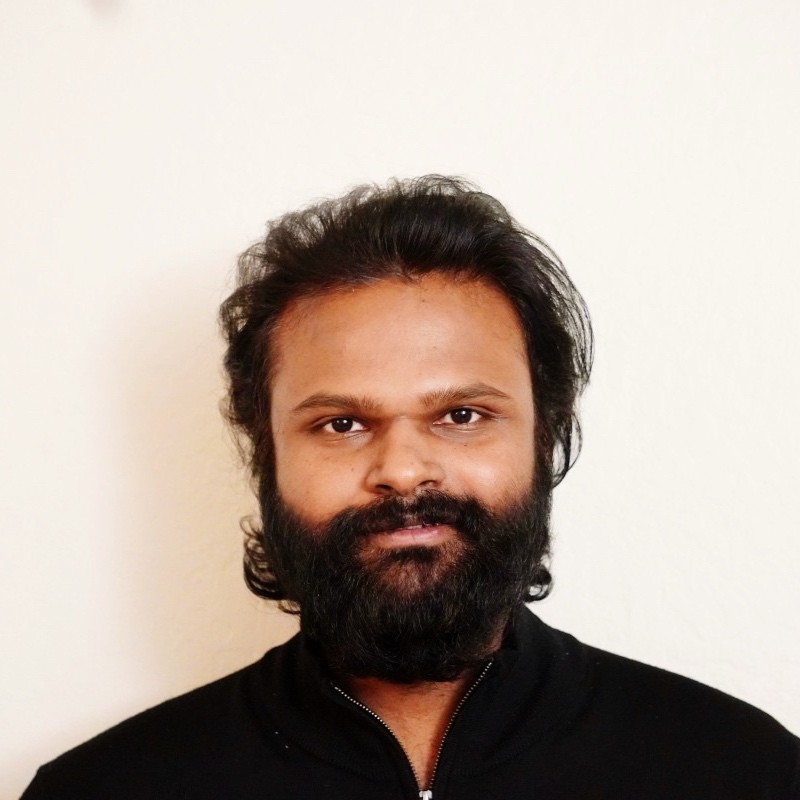
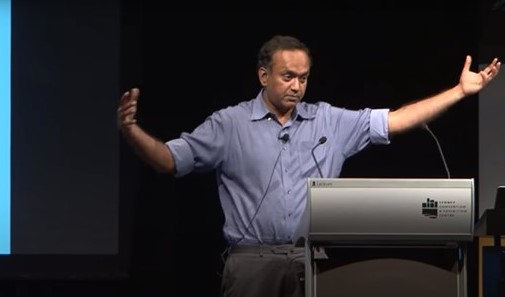
Voices Shaping the Open Agentic Web
Cloud, research, infrastructure, safety, and venture leaders building the agent ecosystem:





Community Snapshot
Research & Publications
Our research outlines the architectural and strategic foundations of the Agentic Web:
Foundational Architecture Papers
Interoperability & Specialized Research Papers
System Architectures and Framework
Core system blueprints, runtime handshakes, and architectural frameworks:
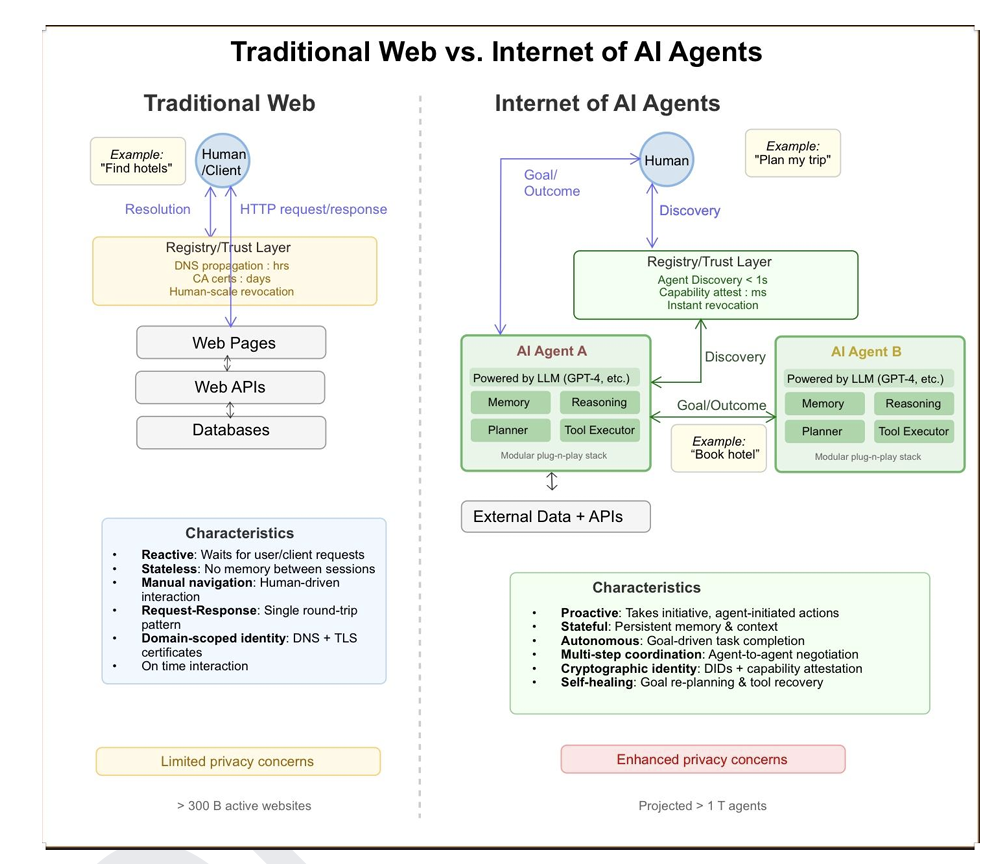
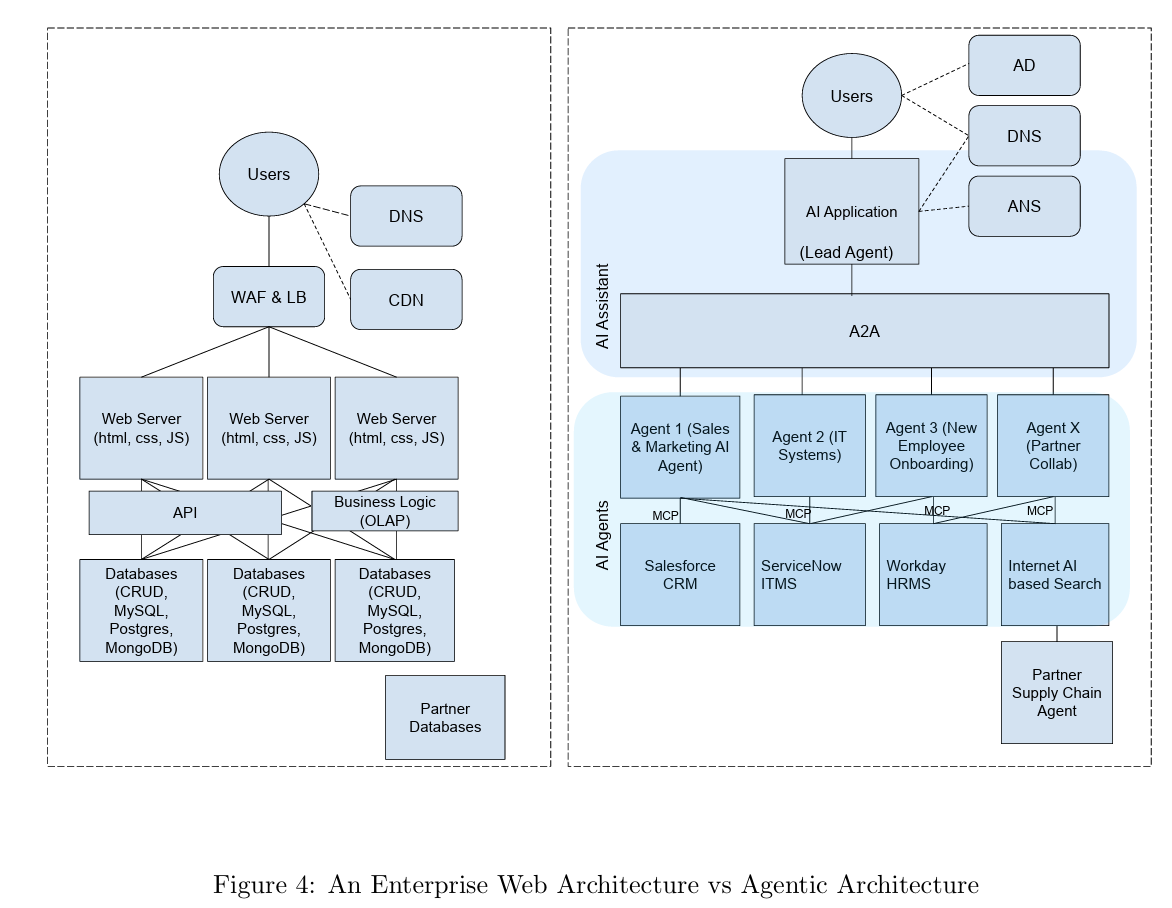
The Paradigm Shift: Web of Content vs. Internet of Agents
Comparing the reactive, human-mediated Traditional Web (DNS, URLs, browser clients) with the proactive, autonomous, and stateful Internet of AI Agents.
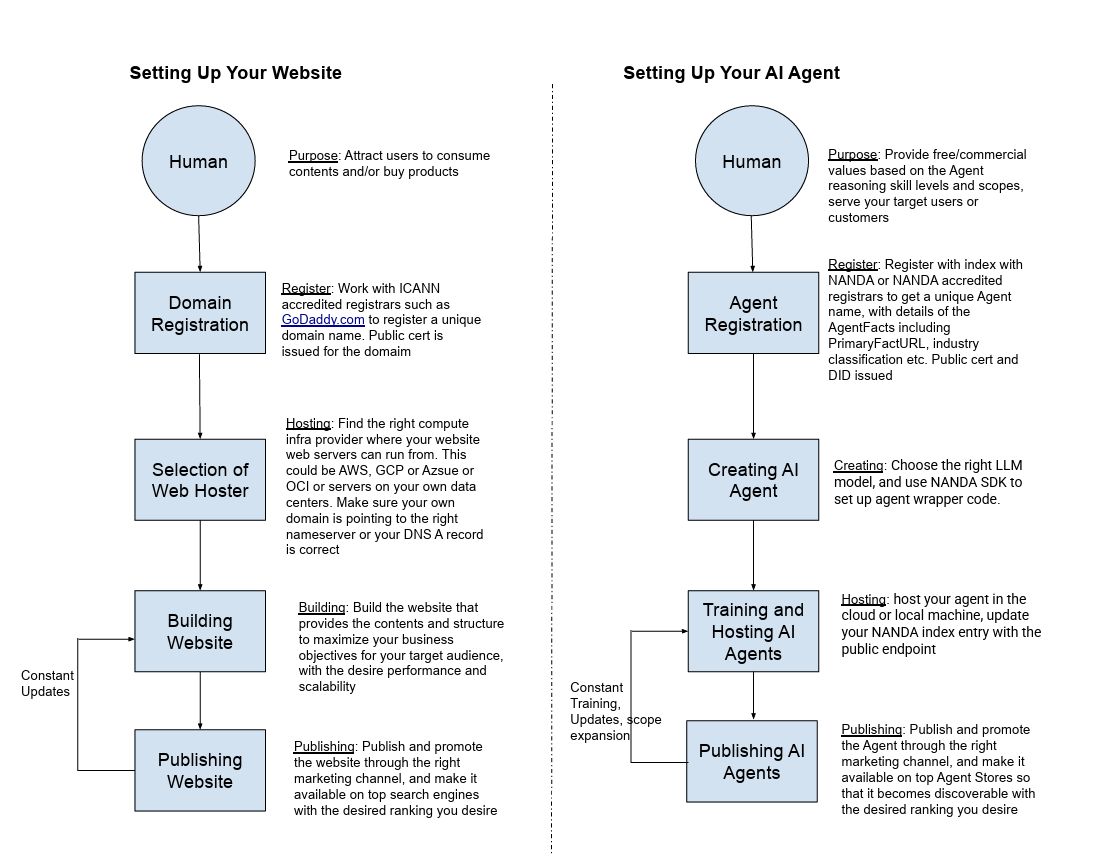
The Core Problem: Fragmentation & Discovery Bottlenecks
Isolated proprietary catalogs and static registries create vendor lock-in. Project NANDA decouples discovery from execution through open identity mapping.
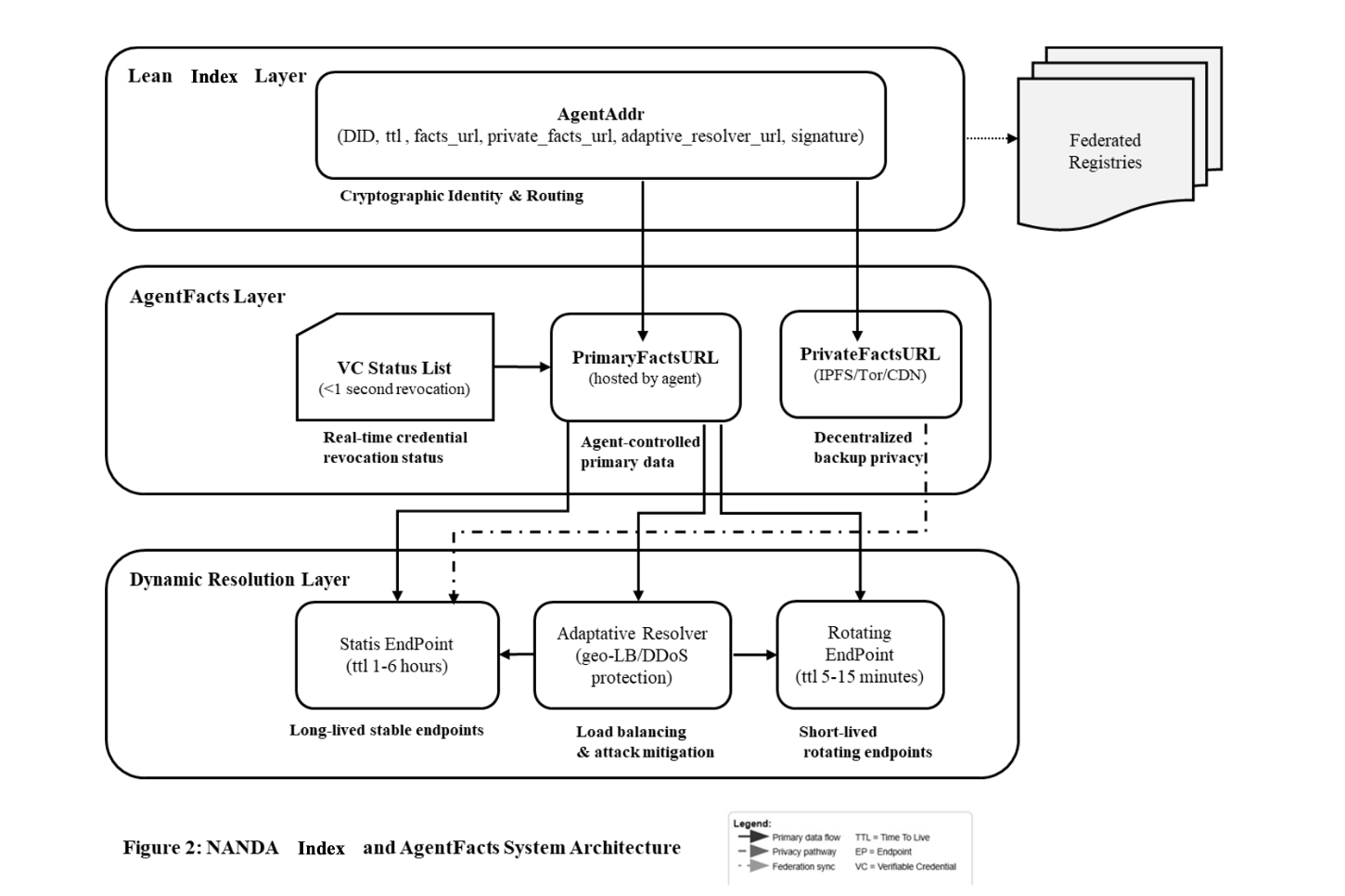
Universal Agent Registry & Resolution Chain
How client agents resolve natural-language and cryptographically signed identifiers to authoritative AgentCards across disparate distributed registries.
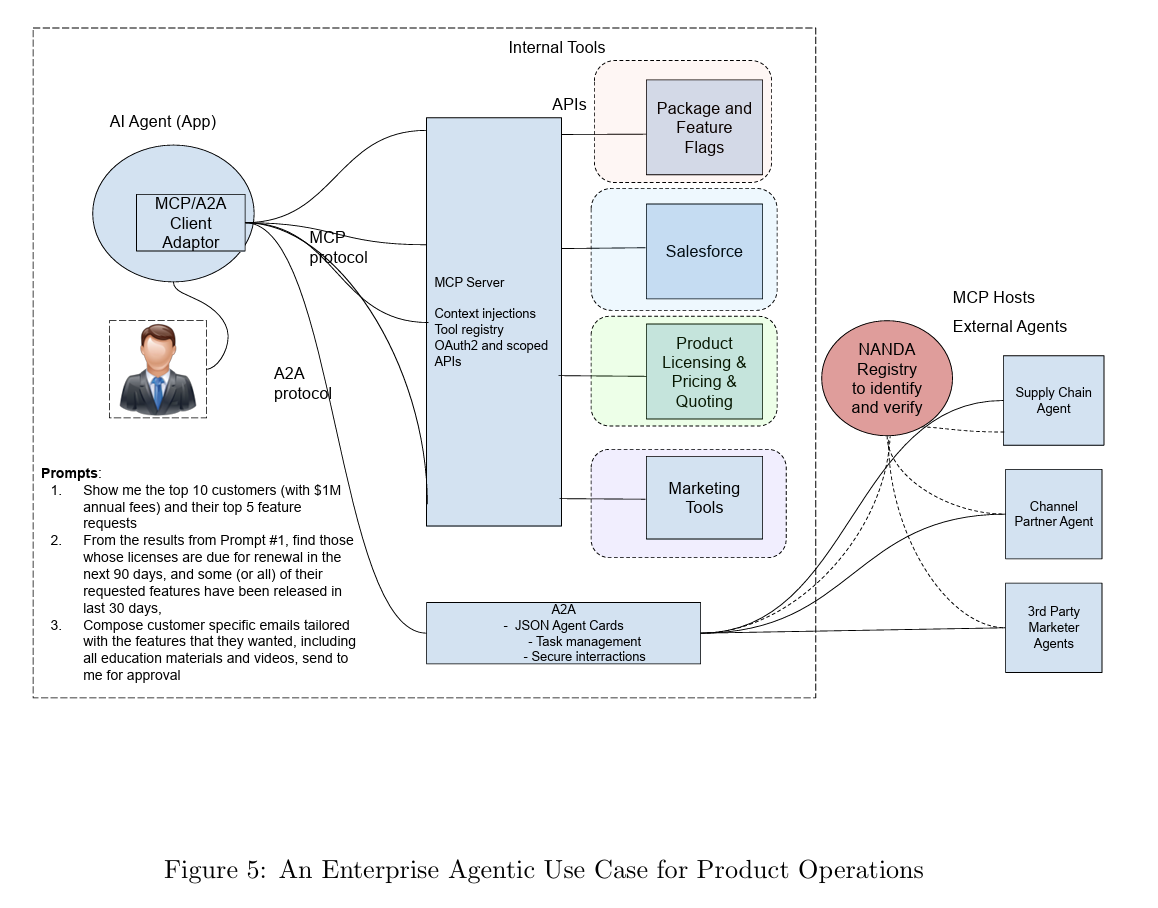
The Agent-to-Agent (A2A) Communication Stack
Multi-layer networking hierarchy mapping semantic application intents, capability negotiation, JSON-RPC messaging, and underlying secure transport layers.
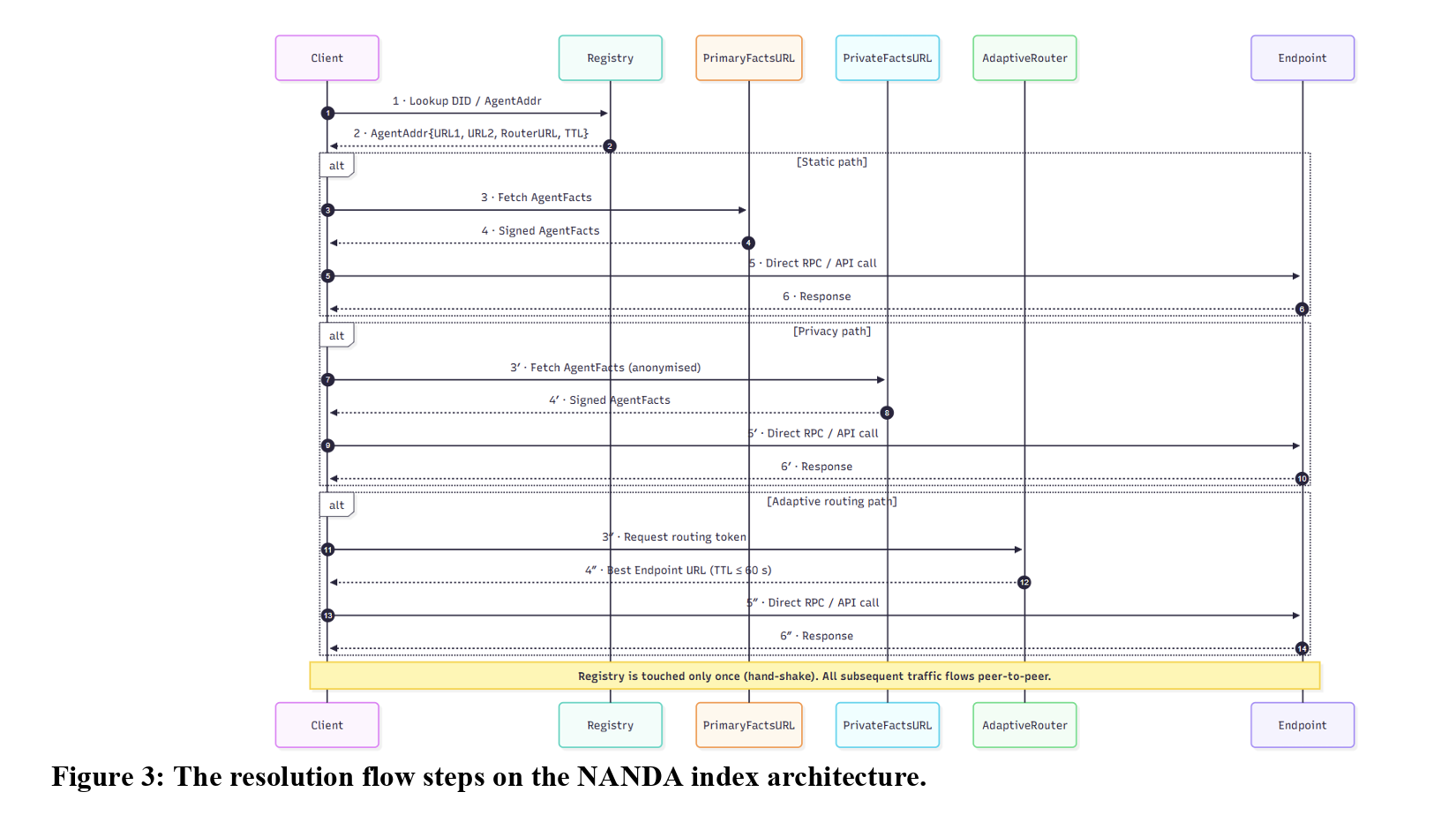
Adaptive Resolver: Multi-Stage Query Pipeline
Step-by-step resolution lifecycle: request parsing, local cache lookup, DHT broadcast query, signature verification, and secure endpoint handshake.
Zero-Trust Agent Verification & Security Blueprint
Decentralized PKI, cryptographic credentials, dynamic reputation scores, and capability-aware sandboxes preventing rogue agent impersonation.
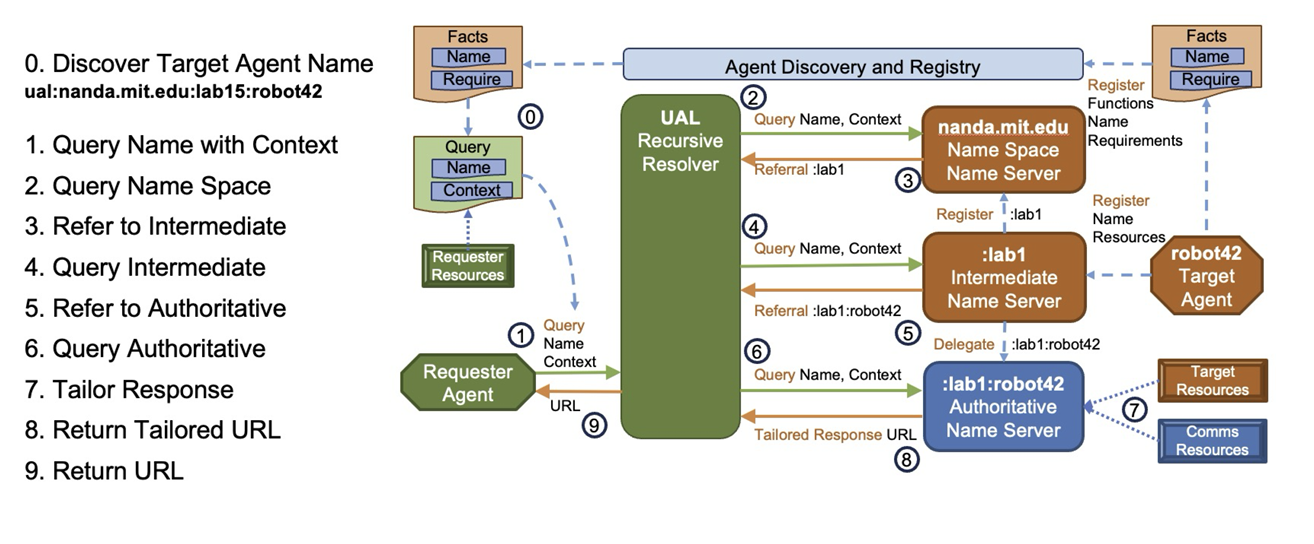
End-to-End Discovery, Negotiation & Invocation
Complete runtime flow from initial query, capability matching, policy verification, and mutual TLS authentication to autonomous task delegation.
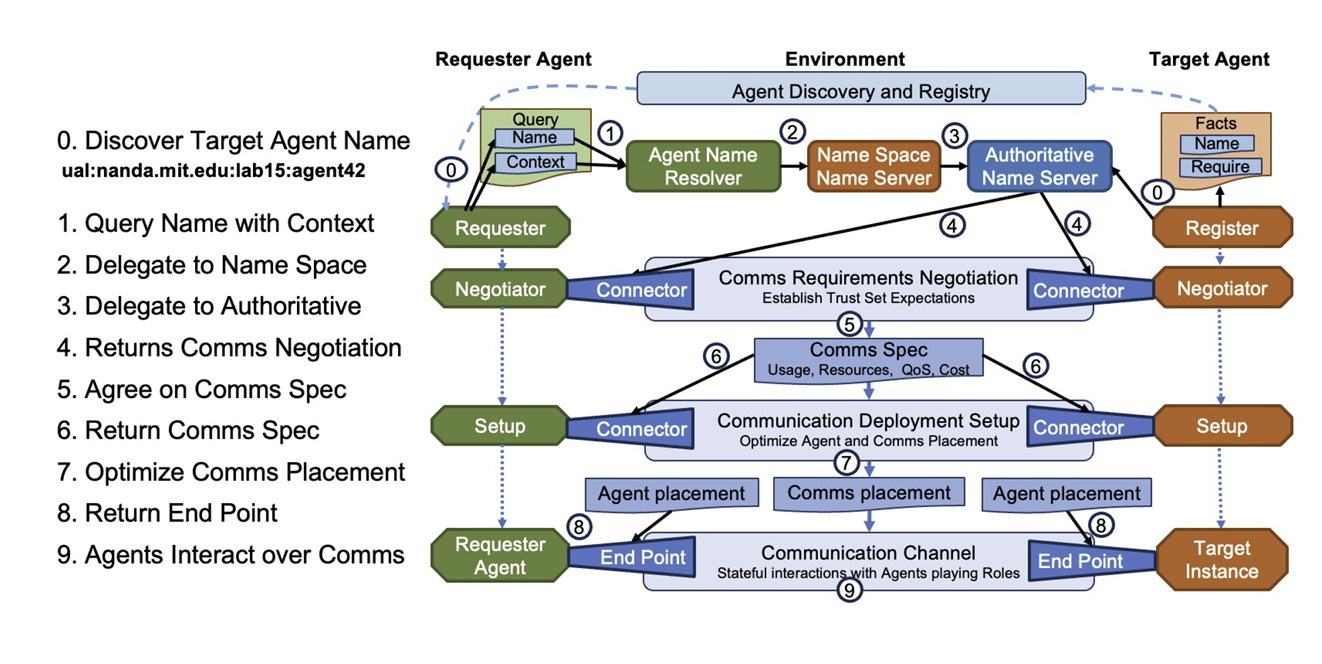
Connection Negotiation & Capability Verification
The negotiation protocol between discovered agents: verifying signed credentials, agreeing upon encryption ciphers, negotiating payment terms, and establishing runtime sessions.
Project NANDA Architecture & Ecosystem (masterdeck, intro and demo)
The core architectural overview of Project NANDA, detailing the transition from static web infrastructure to a decentralized Internet of AI Agents:
Collaborators & Contributors
Project NANDA works with leading research universities, global technology enterprises, standards bodies, and open-source ecosystems:















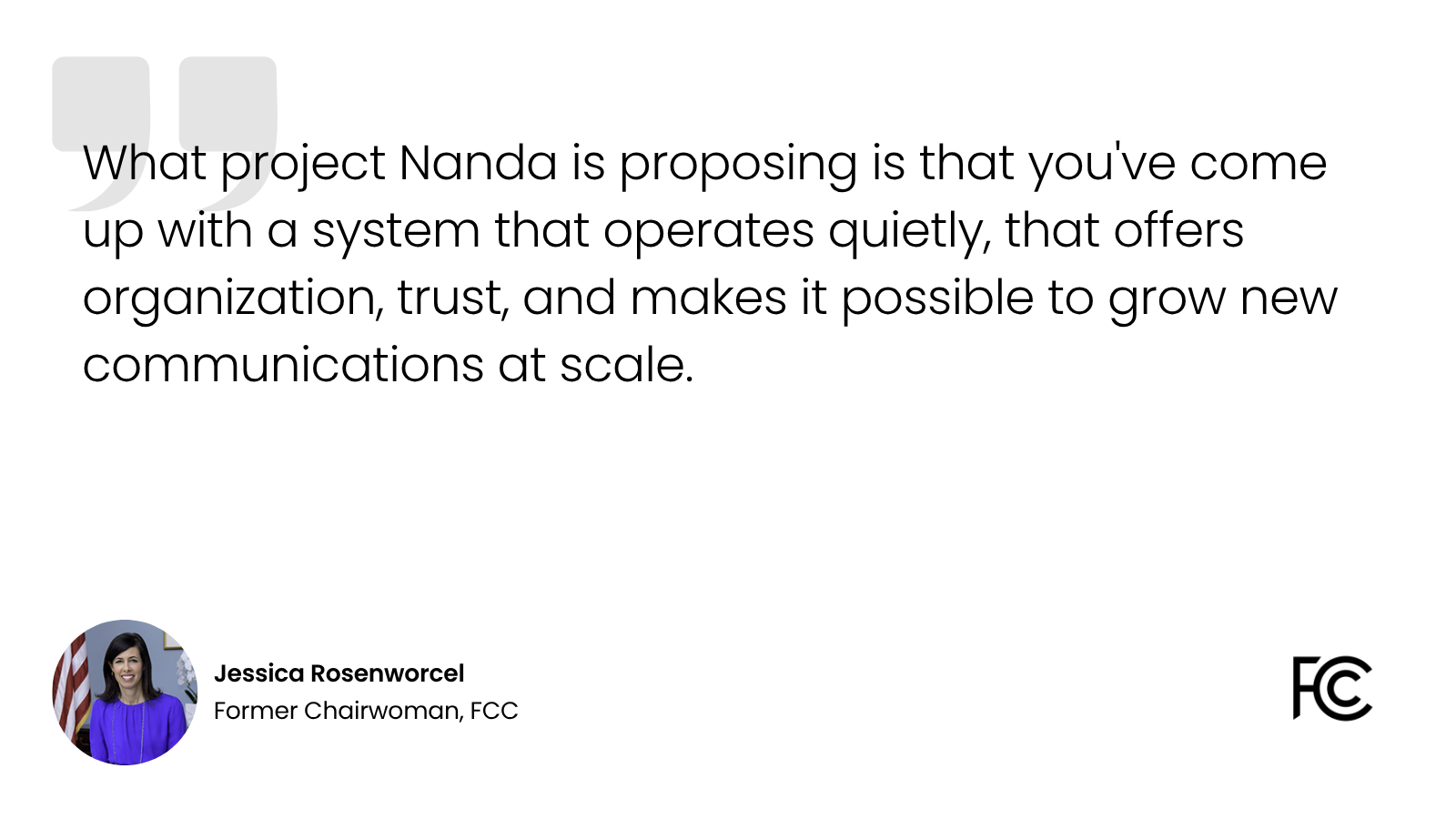
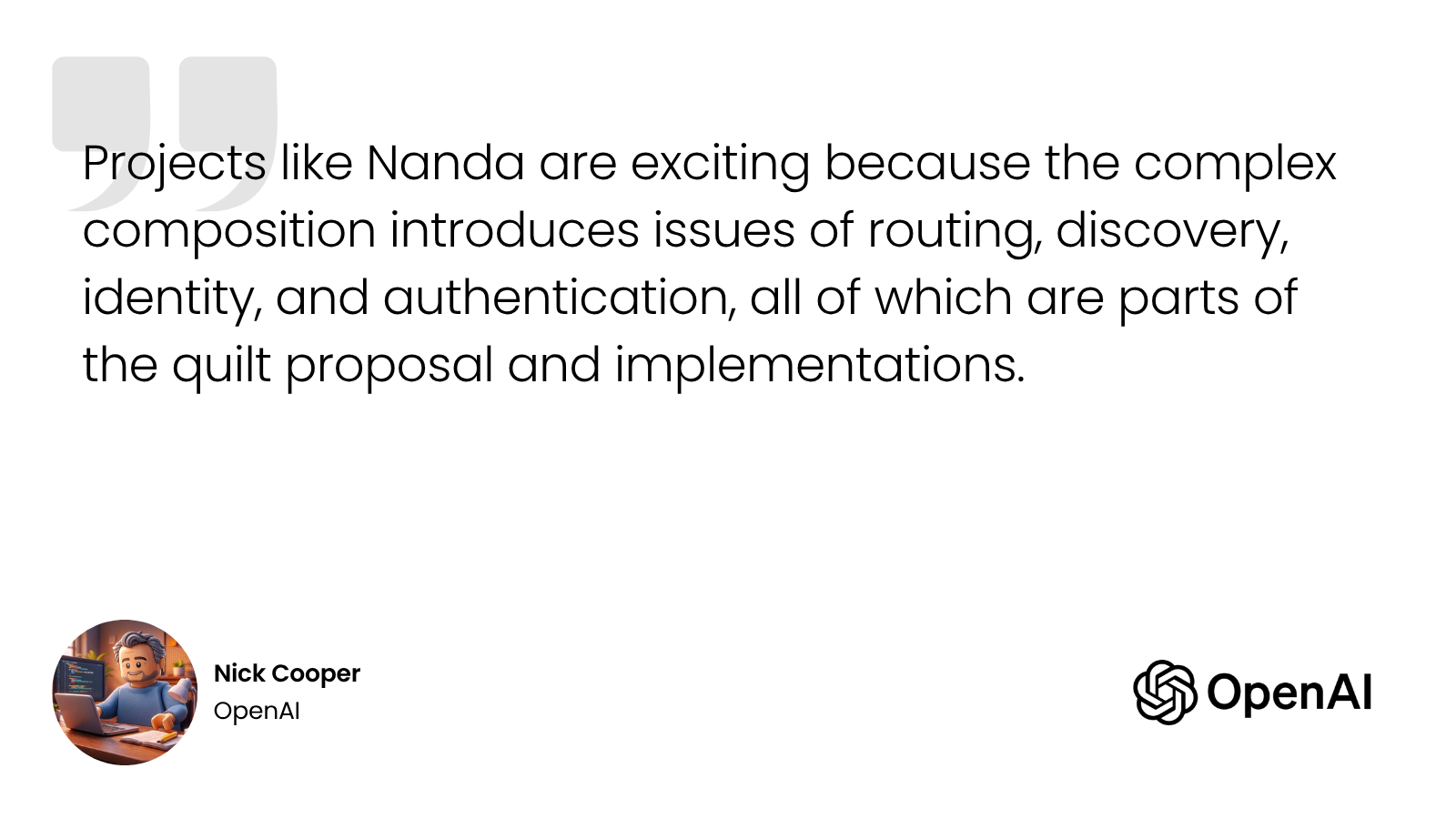
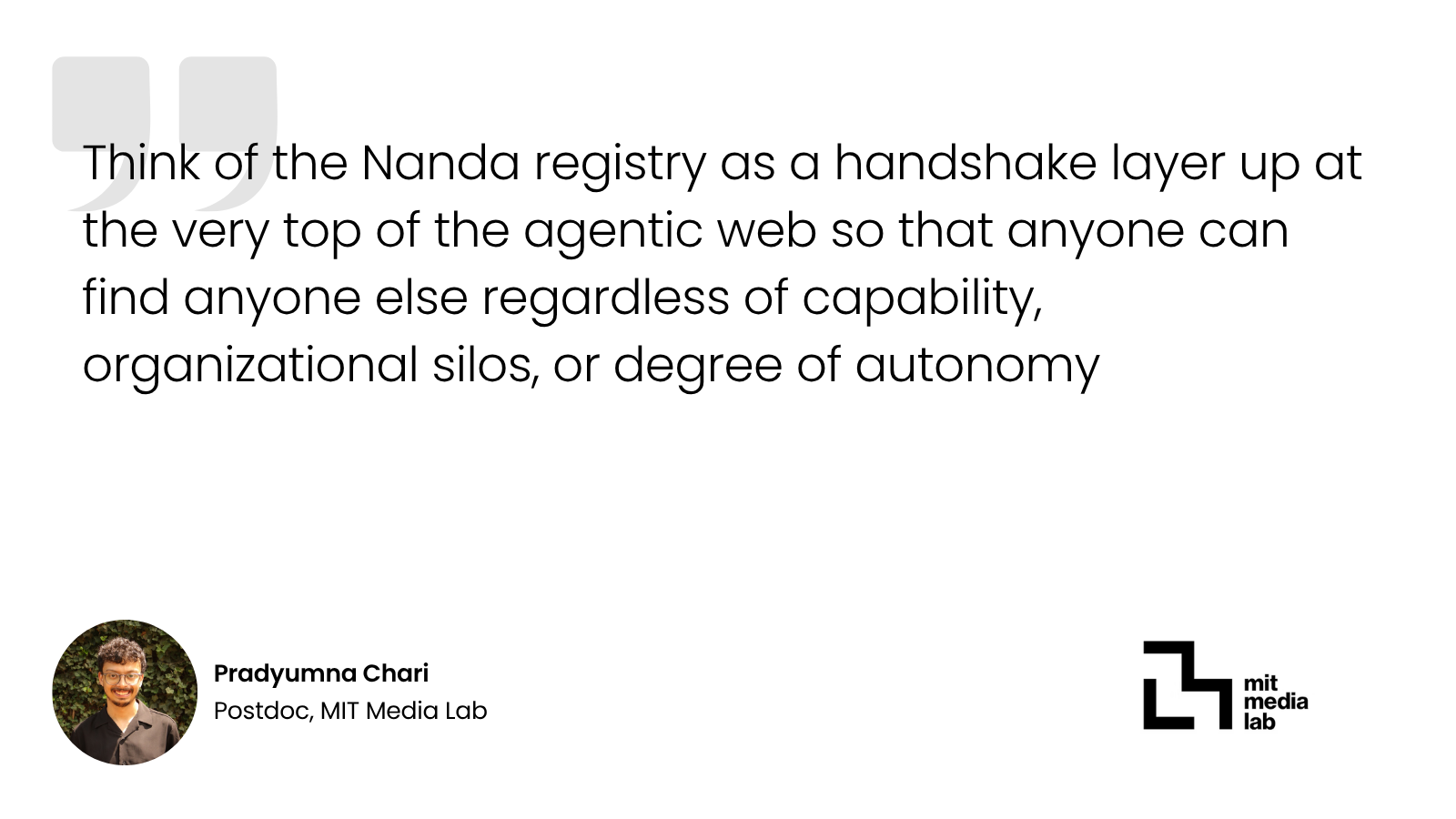
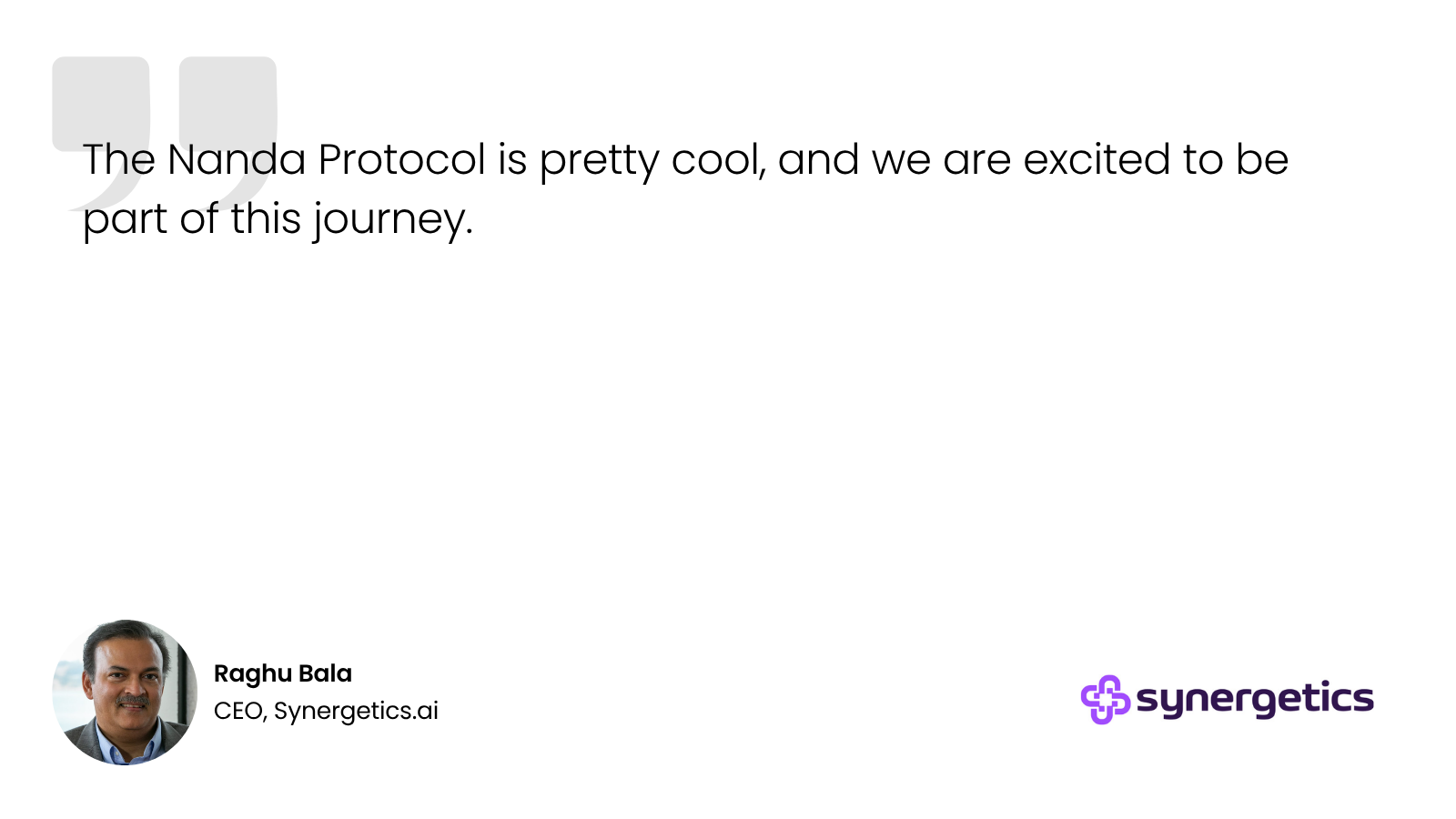
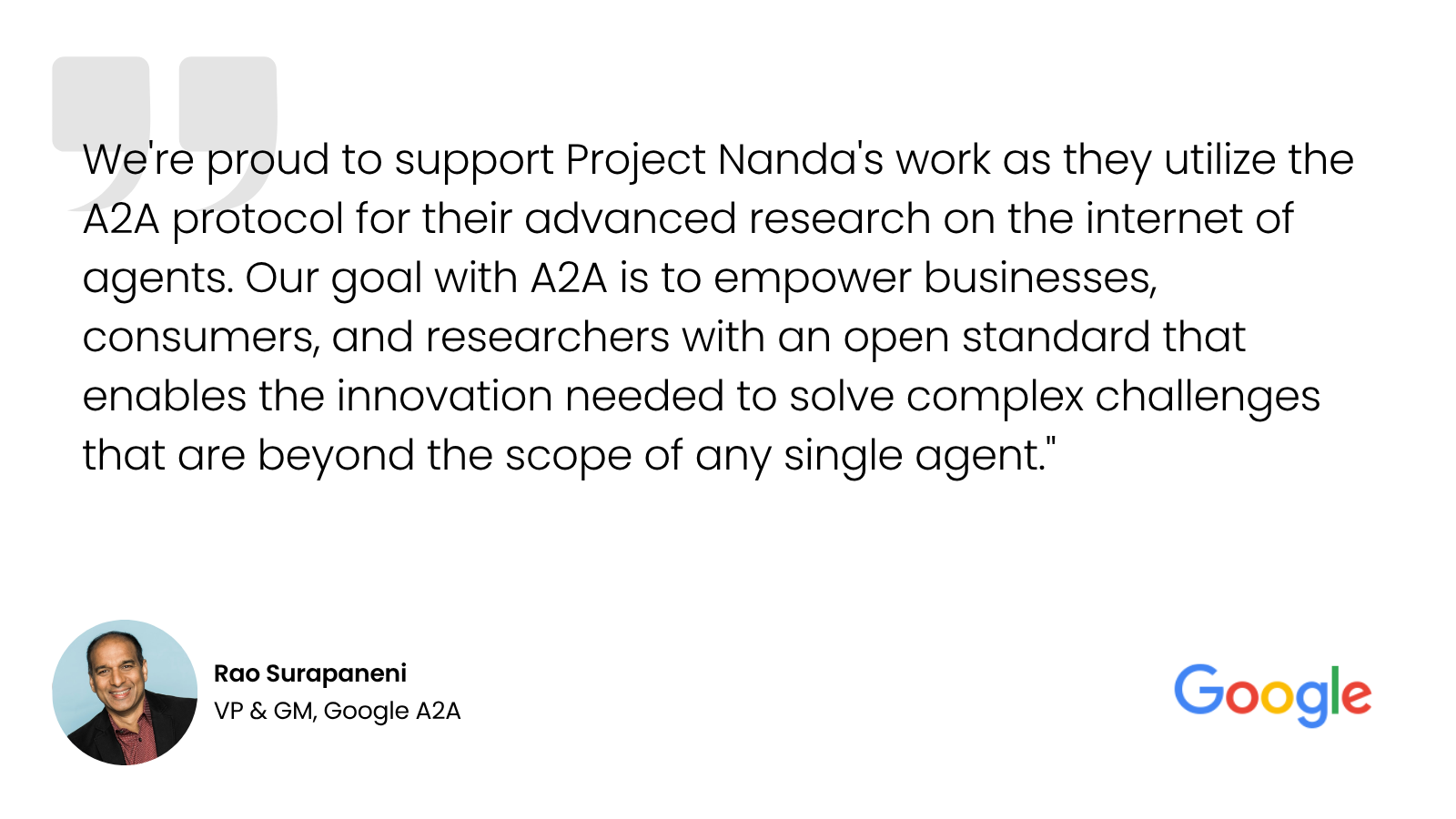
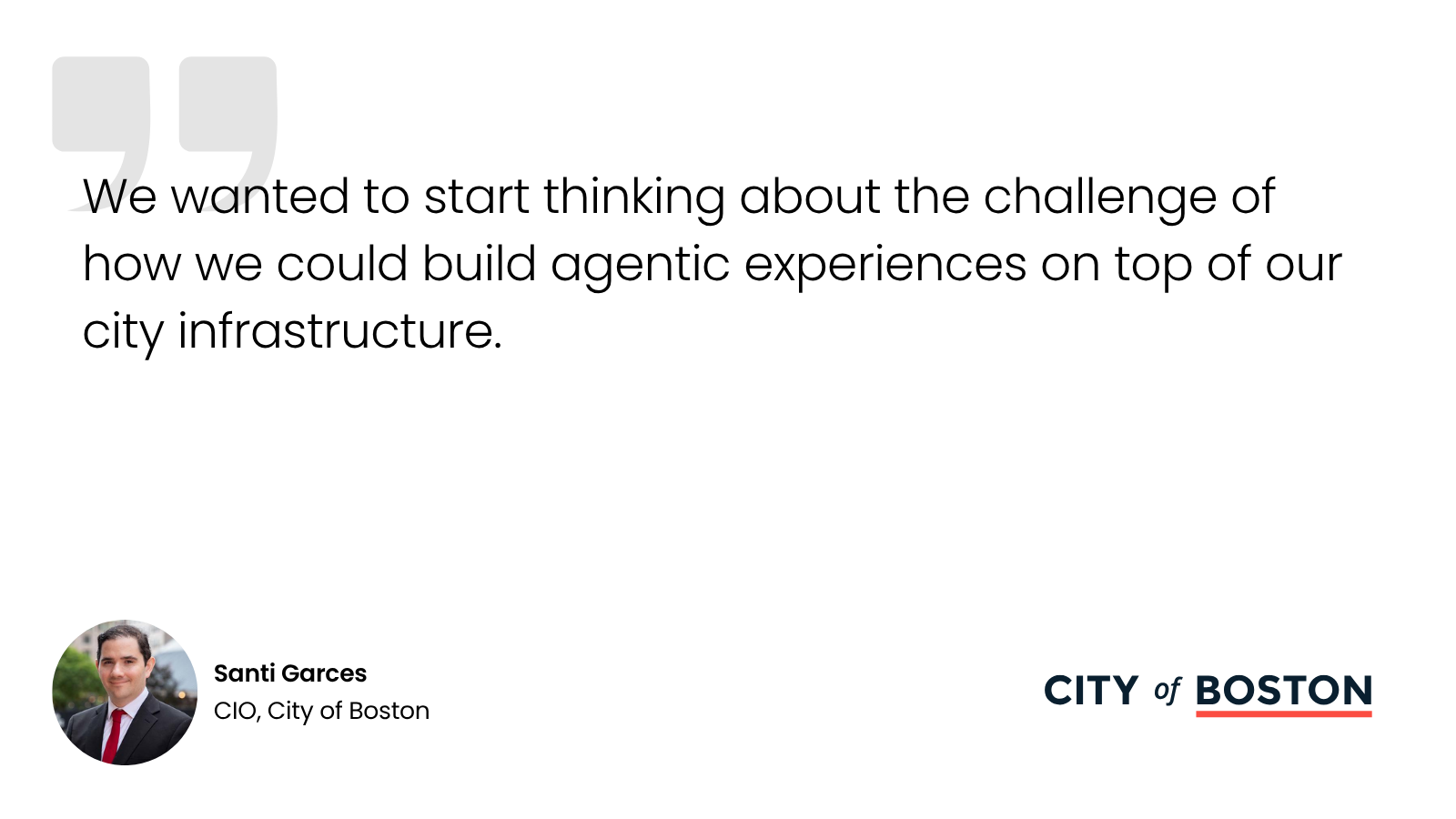
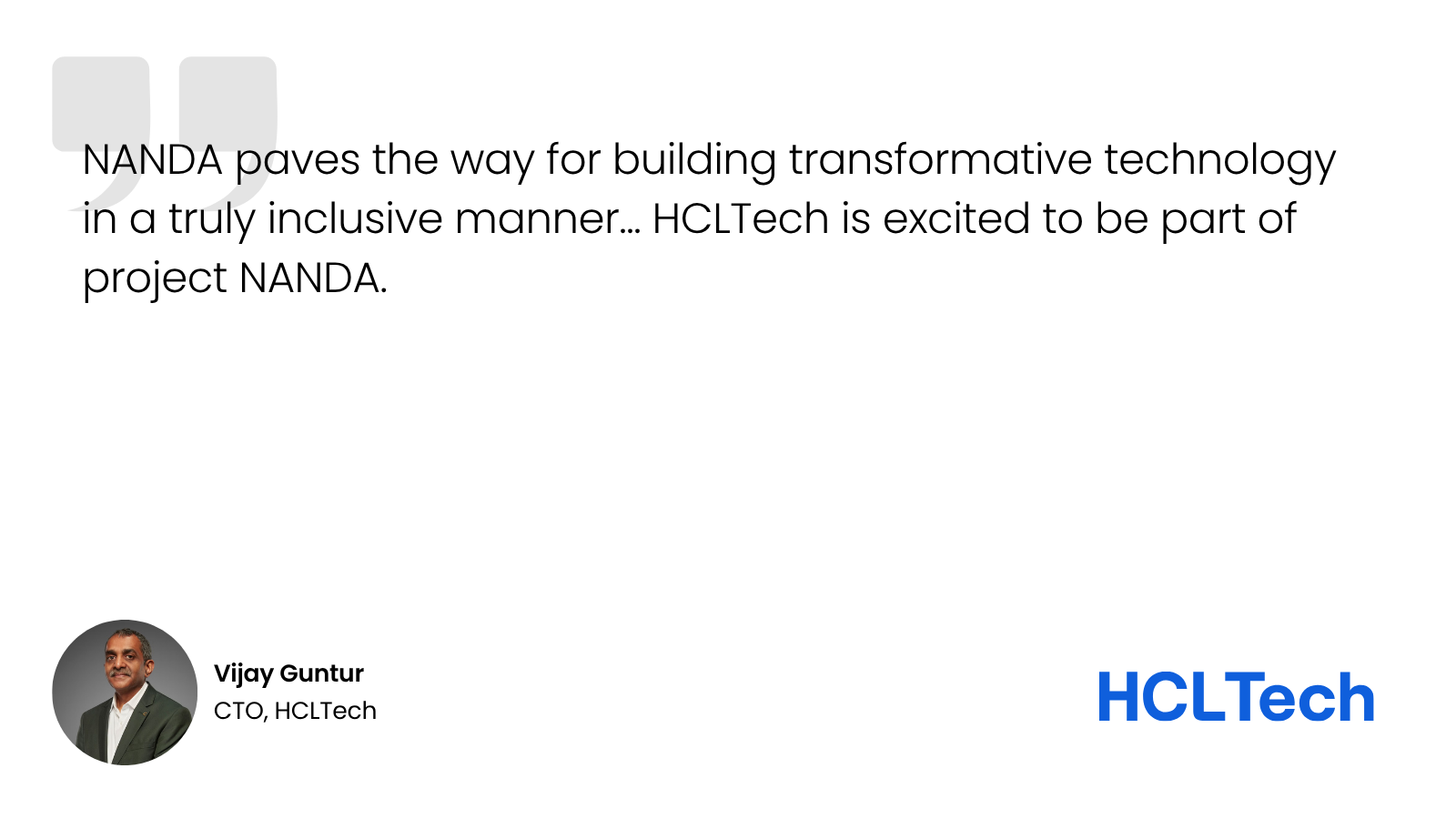
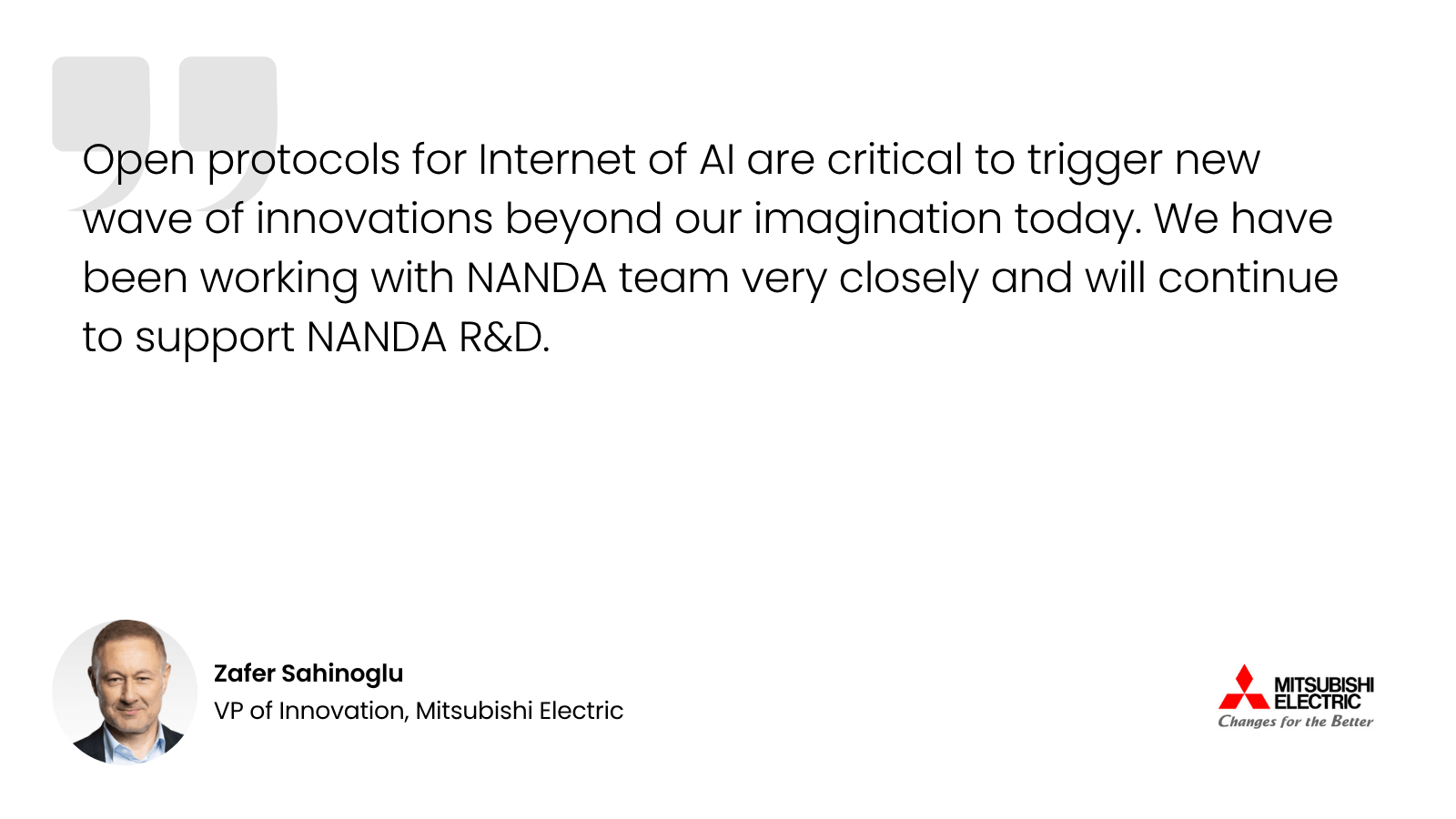
Words from Advisors
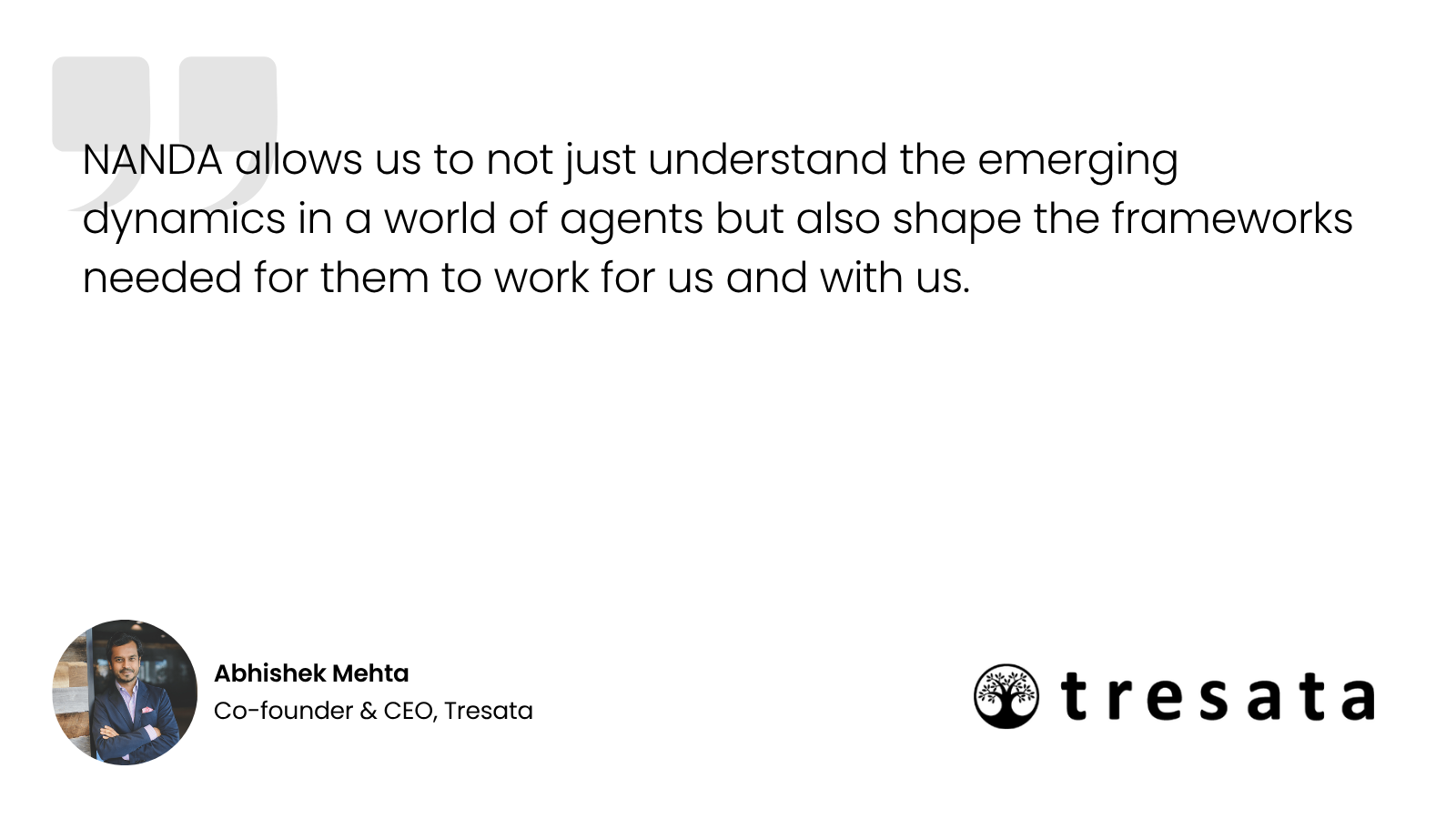
Insights and perspectives on the emerging Agentic Web from leaders across AI research, industry, and governance:
Keep the Momentum Going
Join researchers, builders, enterprises, and civic innovators shaping the Internet of AI Agents:
Follow & Connect
Open Source & License
Project NANDA's code and research are released under the MIT open-source software license and welcome community contributions.